Nilima Renghe’s Colourful Farm
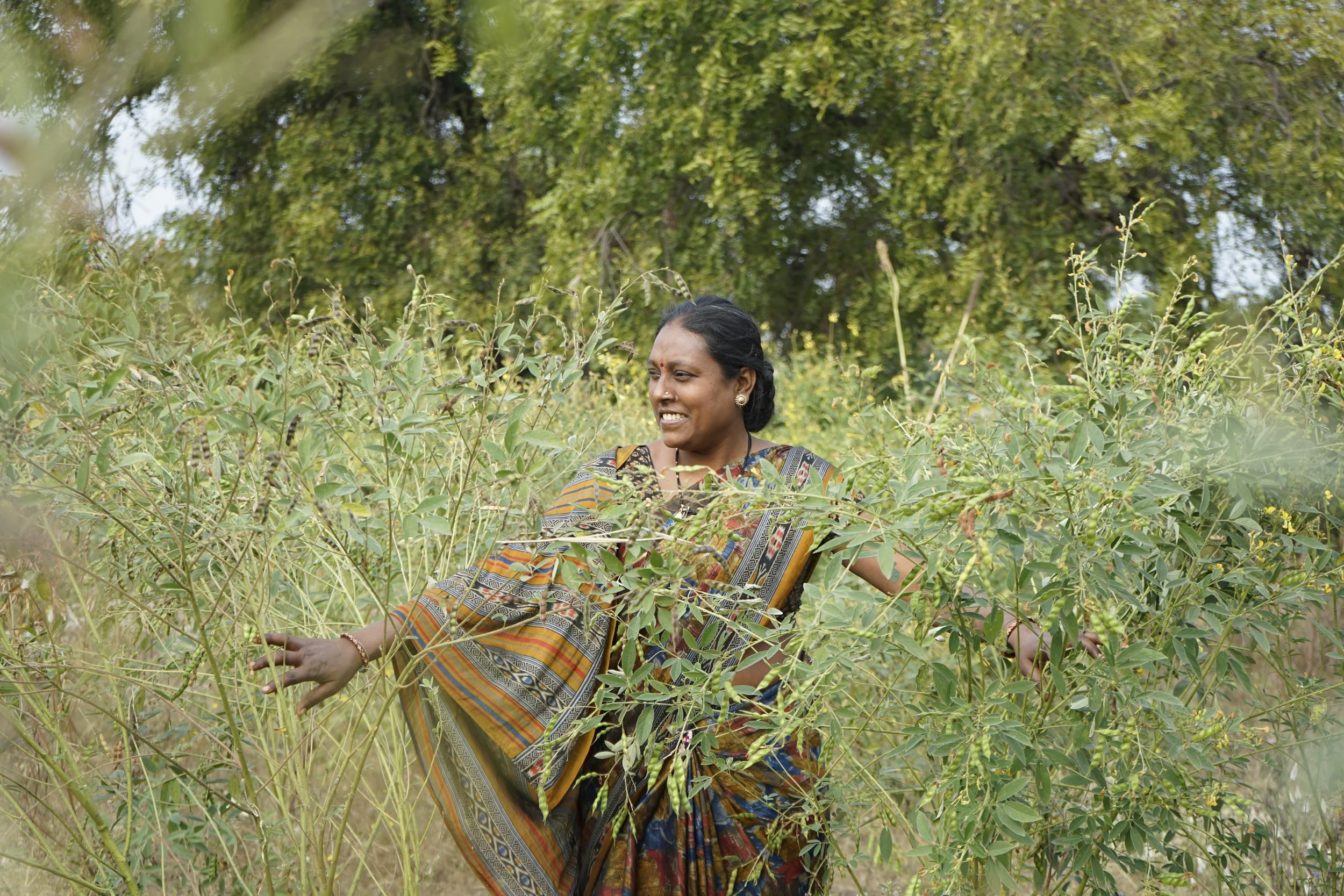
Nilima walks through her fields with pride, pointing to the variety of crops and explaining their significance.
Moving through the tall toor (pigeon pea) plants, grown to her height and laden with pods, she explains, “Women often ask for toor pods from my farm because they find them very tasty.”
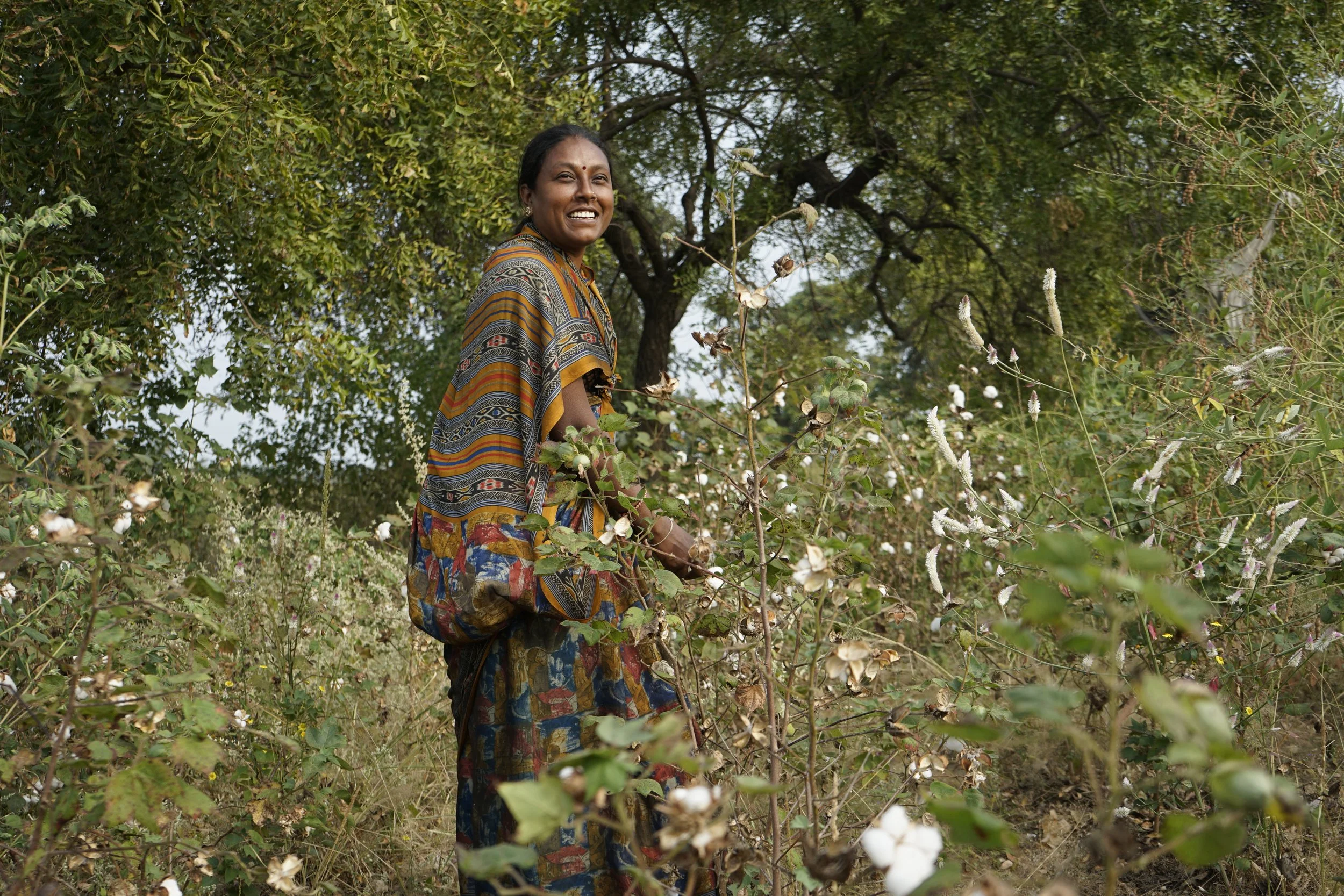
Her farm stands out amidst the neighbouring fields, which mainly grow either cotton or soybean. In addition to cotton, her land boasts a mix of crops: toor, moong, urad, and a few jowar (sorghum) plants in between as resting and feeding spots for the birds.
“When I started mixed cropping more than three years ago, my family members and neighbours laughed at me,” Nilima recalls with a smile.
Today, her diverse farm is a source of pride and proof of her persistence. They have even come up with a charming local name for mixed farming— ‘Colourful Farming’. The name reflects the vibrant and varied hues her field displays with the multiple varieties of plants growing together.
(1) Idiomatic Marathi expression which in enlish translates as “her husband died by suicide", leaving her to shoulder the responsibility of raising their child alone”.
Nilima Renghe, 37, a resident of Zadgaon village in Ralegaon block of Yavatmal district, is the mother of ten-year-old Soham and a pioneer of agroecological farming practices in her village since 2020.
Nilima's journey has been anything but easy. In 2014, when she was nine months pregnant and staying with her maternal family for her first delivery, her husband ended his life. Her partner left her halfway (1), leaving her shattered, but she had no choice but to become the sole support for her newborn child.
So she continued living with her parents for some time after the tragedy. After a few months, Nilima returned to her marital village and demanded her rightful share of the family land. Her in-laws refused. Determined to secure her child’s future, she confronted them, holding her infant son before them and saying, “At least give him his rightful share!”
Reluctantly, out of social pressure, her father-in-law agreed to her claim. While Nilima’s name was never officially recorded on the 7/12 extract (Satbara - land registry), she successfully gained cultivation rights over three acres of land.
Initially, she travelled back and forth from her maternal home to manage the farm, but the commute was exhausting and unsustainable. So, she demanded her share of space in her in-laws' house to live closer to her fields. This led to conflicts within the family, but Nilima refused to back down and eventually secured a place to stay. She settled in the village and began managing her farm independently.
Amidst this struggle, Nilima connected with MAKAAM (Mahila Kisan Adhikar Manch - Forum for Women Farmers’ Right) through Prerna Gram Vikas Sanstha and became a village-level leader. She began mobilising local women, taking the initiative in various efforts. Through regular meetings, she provided women with essential information on accessing government programs, such as NREGA (2) employment, land title documentation, and pensions.
(2) NREGA is an Indian government programme that guarantees rural households up to 100 days of paid manual employment per year, typically on public works such as water conservation, roads, and land development.
Her introduction to agroecological practices through MAKAAM marked a turning point in Nilima’s life. She believed that natural farming could provide solutions to the challenges faced by farmers.
Having witnessed firsthand the devastating impact of mono cropping which led to her husband’s suicide, she deeply understood the severity of the agrarian crisis.
Agroecology involved lower input costs and the promise of improved soil fertility, Nilima thought, “Why not give it a try?”
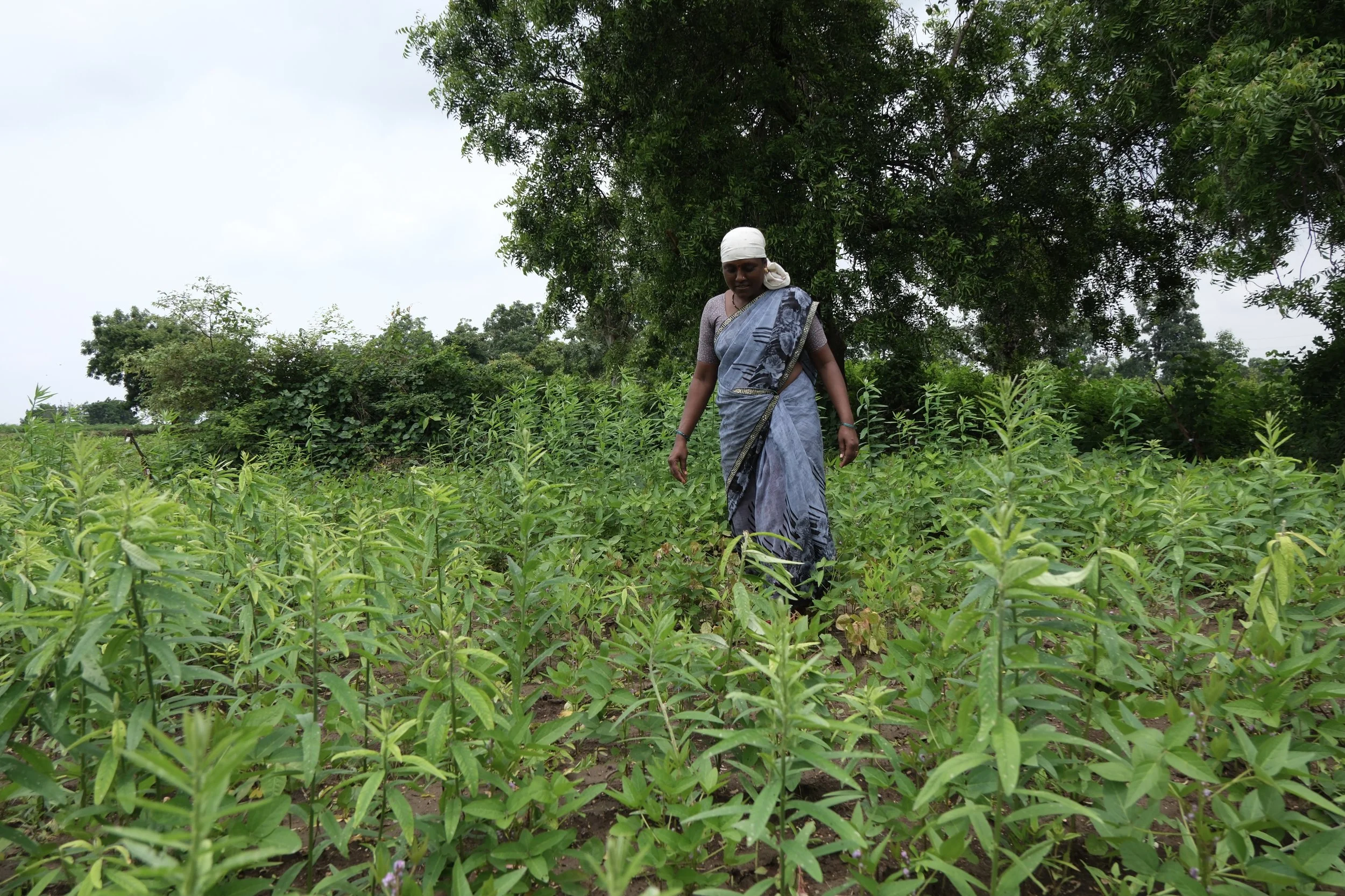
She dedicated half an acre of her three-acre land to experiment with sustainable agricultural methods.
When her father-in-law found out, he questioned her choices: “Why are you growing so many different crops?”
Calm and confident, she replied, “I’m not troubling you. I’m doing this entirely on my own, and I will manage everything myself.”
The first two years were tough.
Erratic rainfall led to minimal yields, but she still managed to harvest mung beans, urad dal, a variety of vegetables, and even some wild greens in abundance.
Most importantly, the soil’s fertility improved.
“The soil became loose, soft and crumbly, and healthy,” she says. “I realized that spraying herbicides to boost production harms the soil in the long run. Without microorganisms, the land will eventually become barren.”
Gradually, people began noticing the success of her mixed farming methods.
Even her once-skeptical father-in-law acknowledged her efforts, proudly telling the family, “Look how well she has managed the farm all by herself.”
For Nilima, earning the approval of her family and villagers was a significant achievement.
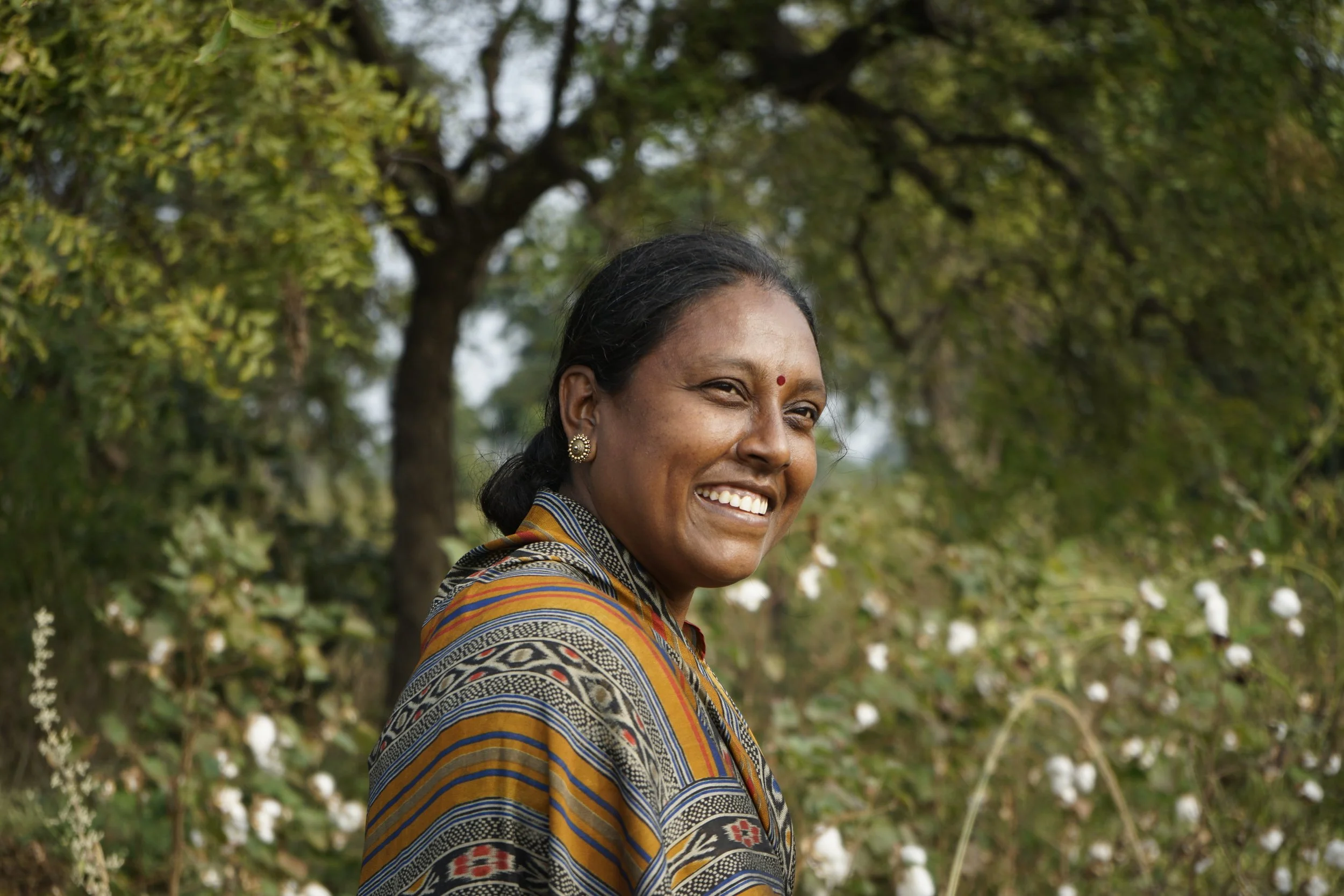
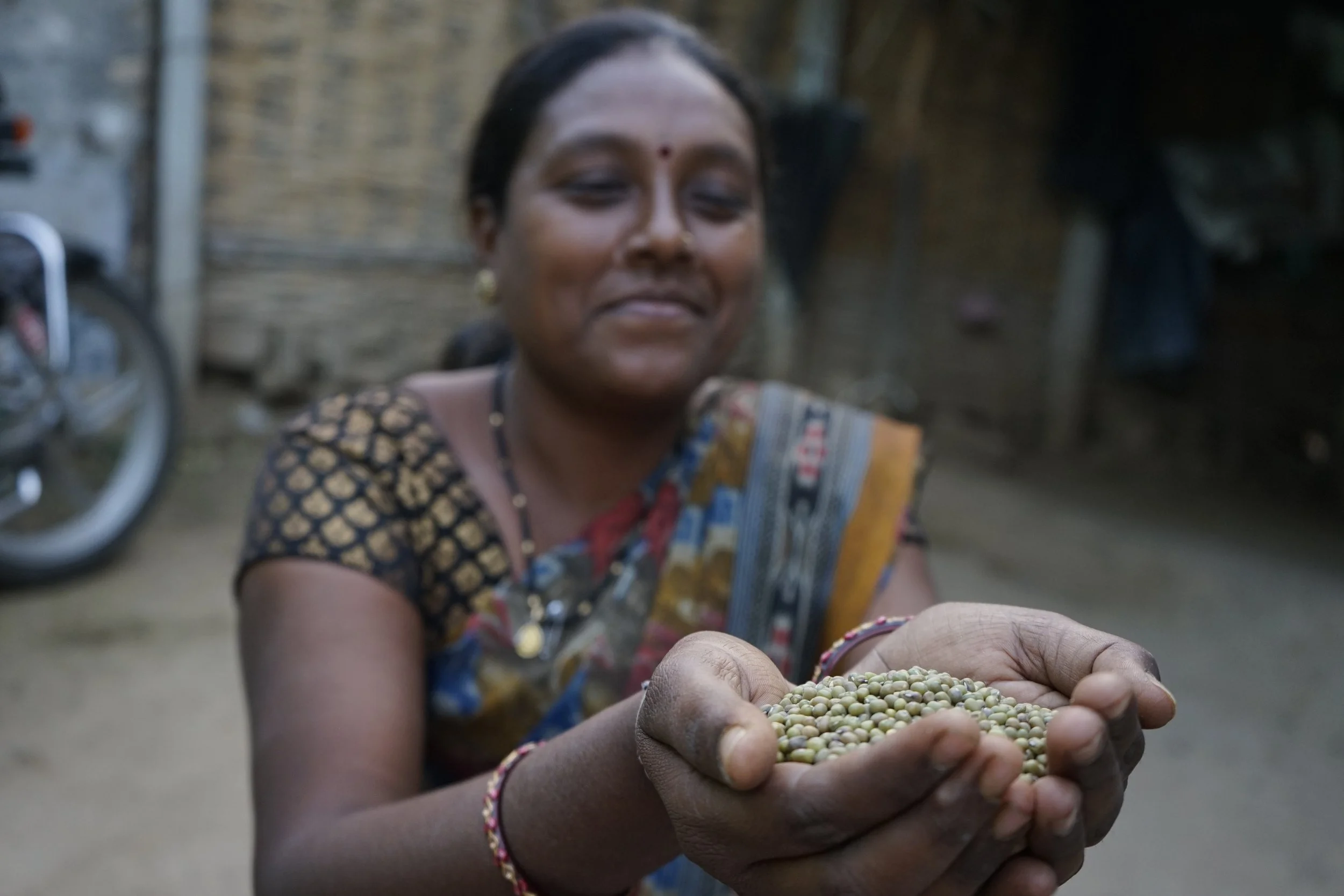
Today, Nilima actively shares her knowledge with other women in the village, encouraging them to try mixed farming. “Women come to me asking for mung beans and urad dal because the ones they buy in the market don’t taste the same as our naturally grown crops,” she explains. “I tell them to take these seeds, plant them on their own land, and see the difference for themselves.”
Her hands are now full of seeds—seeds of hope, knowledge, and the promise of spreading ecologically sound self-reliant farming practices far and wide.
The text and photo credits: Vidya Kulkarni.
Research and field support: Society for Promoting Participative Ecosystem Management (SOPPECOM) and Mahila Kisan Adhikar Manch (MAKAAM) https://makaam.in/
Photo Details:
Nilima stands in her farm amidst a thriving crop of organically grown pigeon pea (tur).
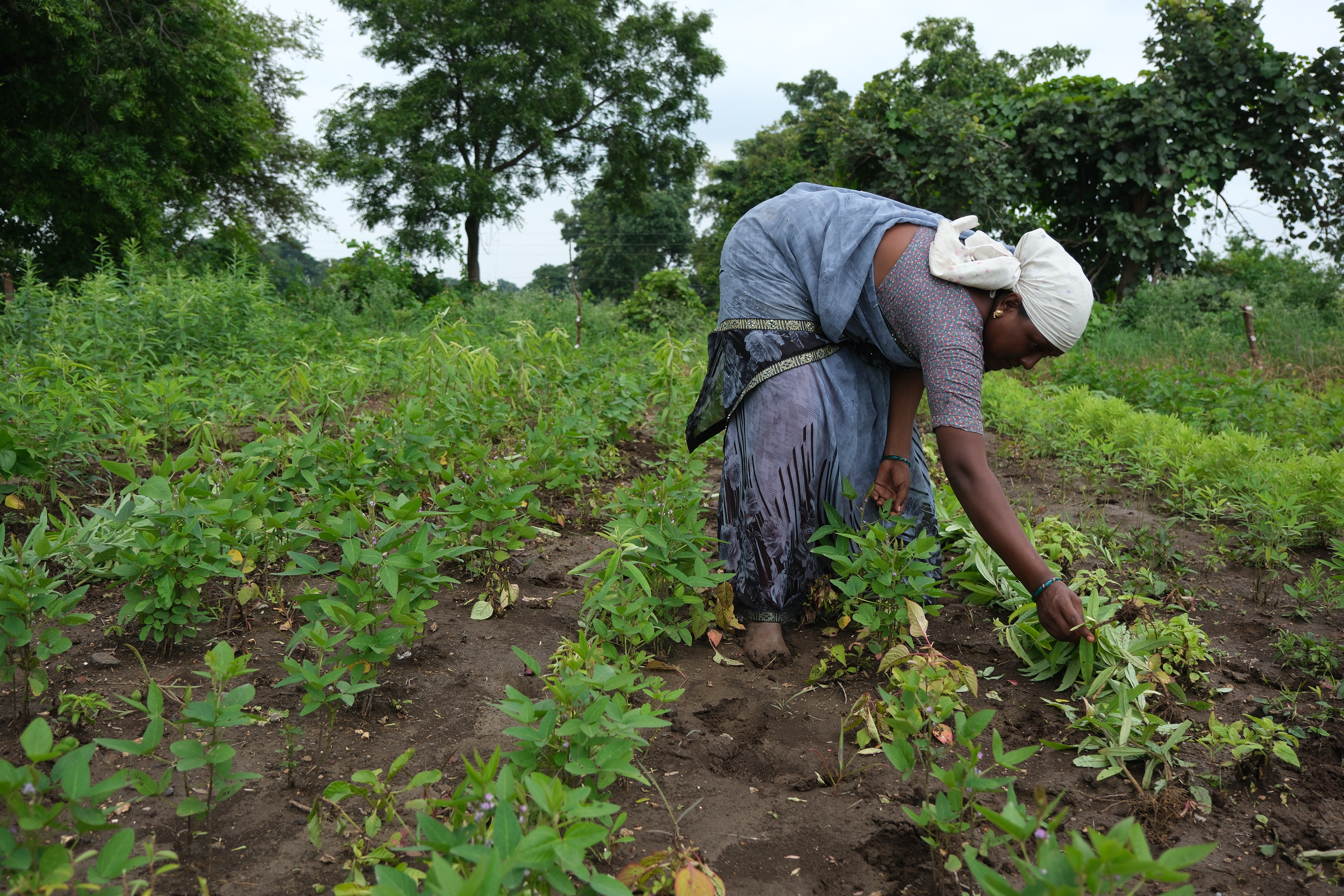
Nilima applies organic biomass to enrich the soil and nourish her crops.
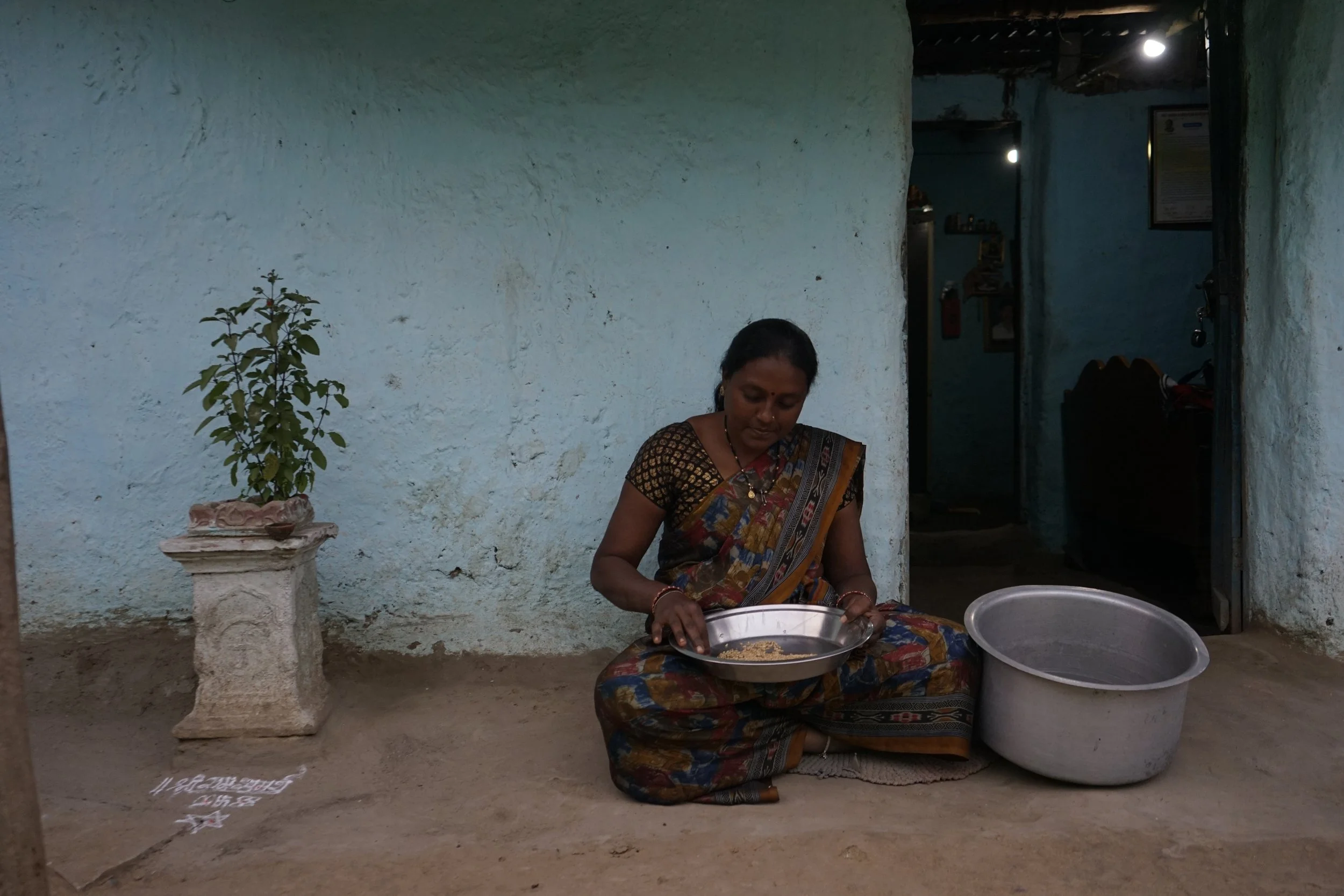
Outside her home, Nilima goes about her daily household chores.
Nilima displays a locally adapted seed variety that she has carefully conserved.
Nilima routinely inspects her fields, closely observing the health of her crops.
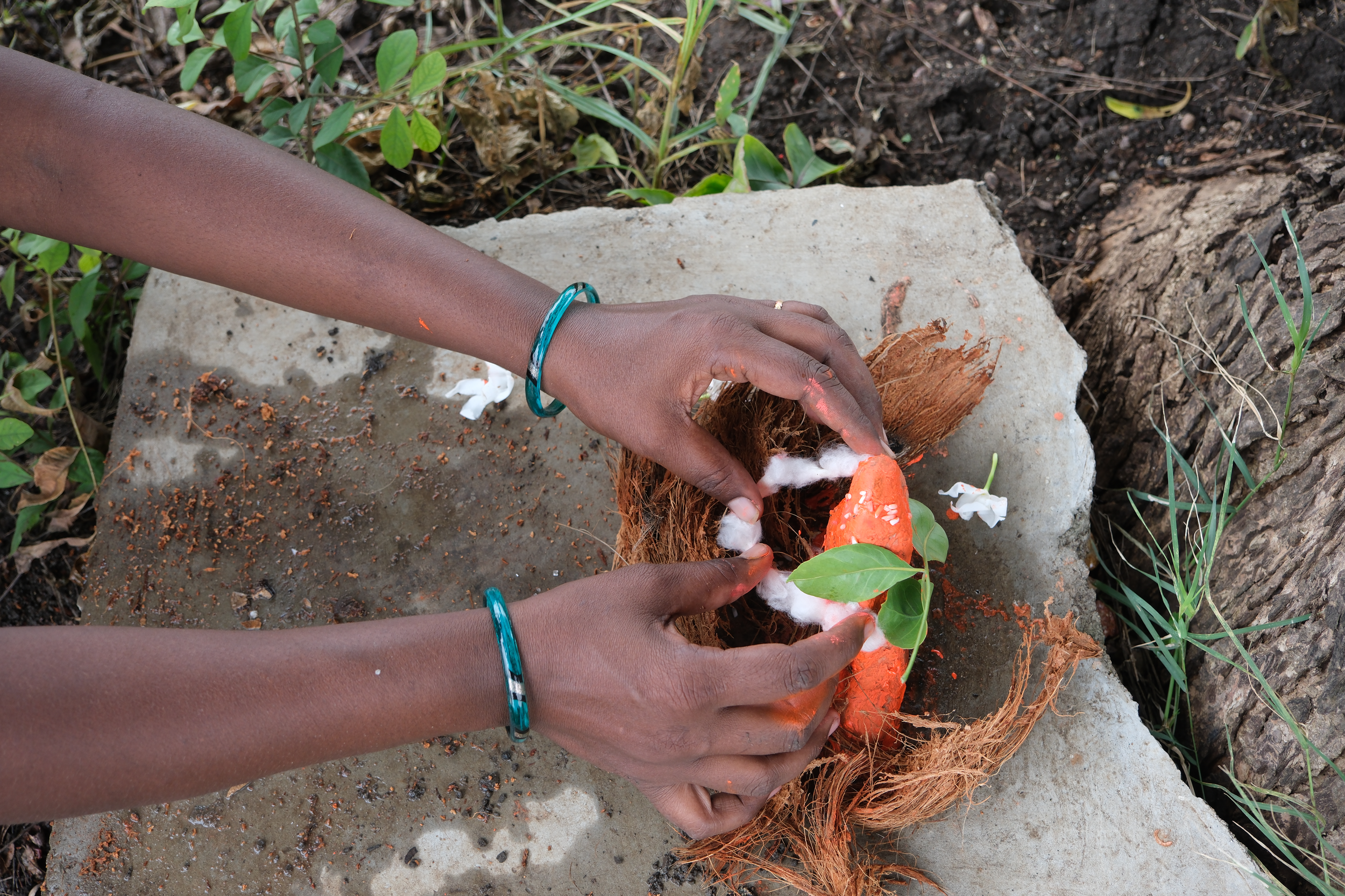
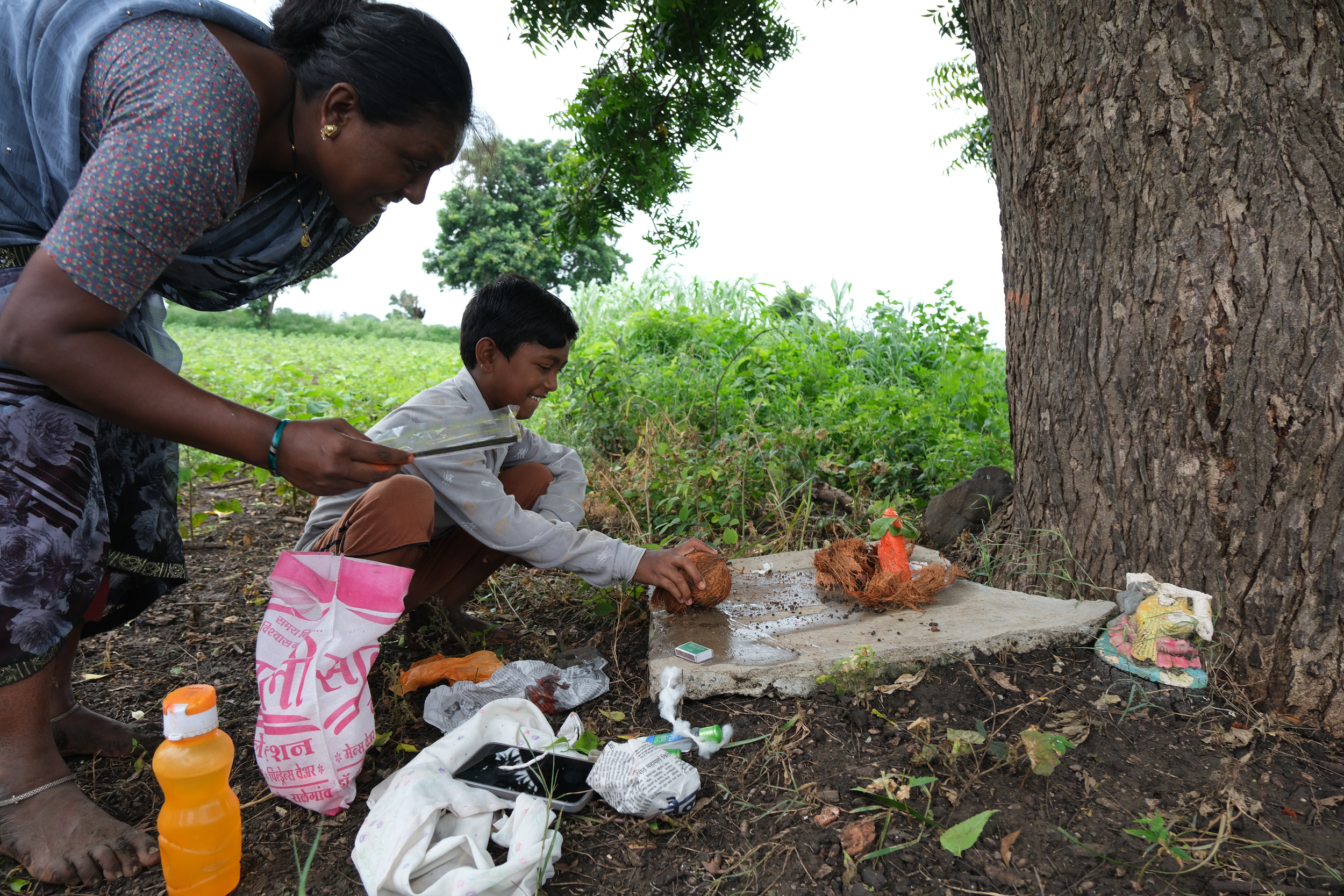
Nilima performs Nagpanchami (a festival that honours snakes) rituals at her farm.
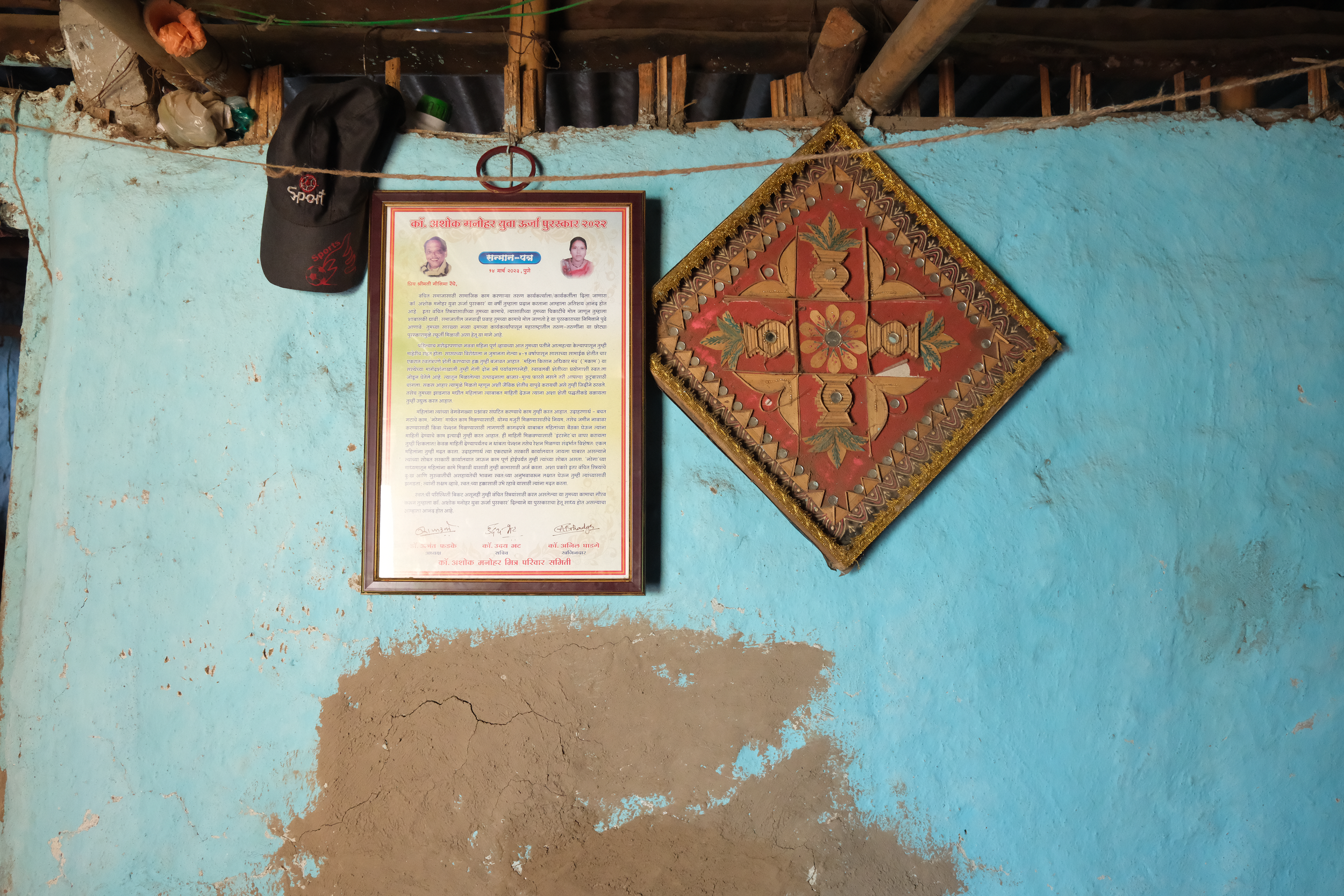
A certificate of recognition awarded to Nilima for her Youth Leadership Award in 2023.
Nilima and her son prepare together for the Nagpanchami
Nilima's smile reflects her confidence, resilience and quiet sense of achievement.
Nilima harvests organically grown cotton from her field.