Hello from Chinnababu Samudram village, Tamil Nadu (south India).
I grew up in Chennai, one of the larger cities in India, and was raised in a middle-class family by a working mother. This upbringing shaped me deeply as a feminist pursuing self-sufficiency. I wanted to be able to pursue whatever I wanted. I mean feminist in the sense of wanting space and respect for the individual invariable of gender. To start with, that meant I chased financial self-sufficiency. I found that women who are financially dependent had very little voice in the family or society. I pursued professional education and went to work for an Indian corporate firm. The speed, wastefulness, grandiosity, endless distractions, environmental degradation, and a culture of apathy fostered by mega cities made me feel uncomfortable and dysregulated. At a certain stage, I quit my job and moved out of the city.
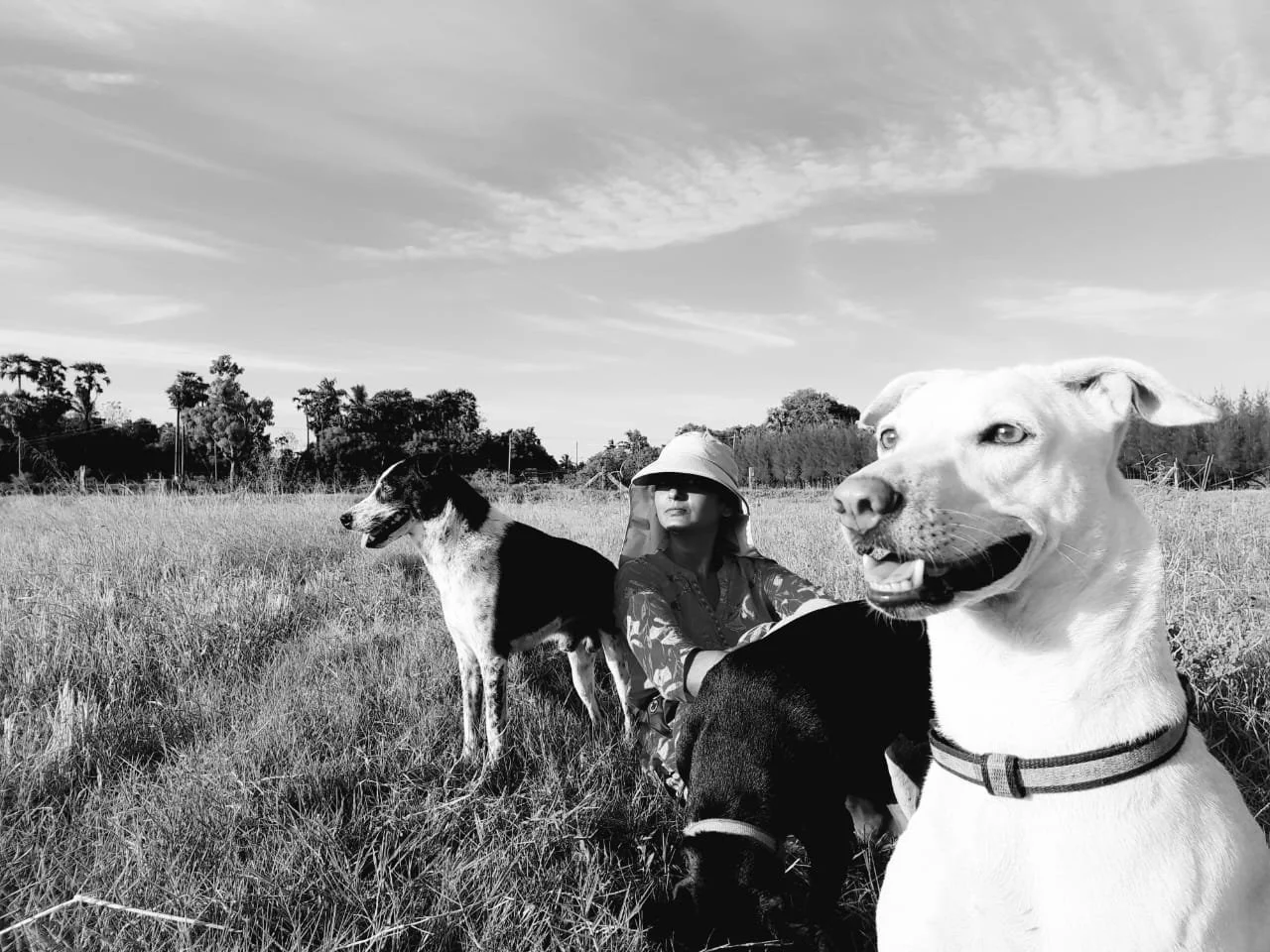
Sujatha’s Journey
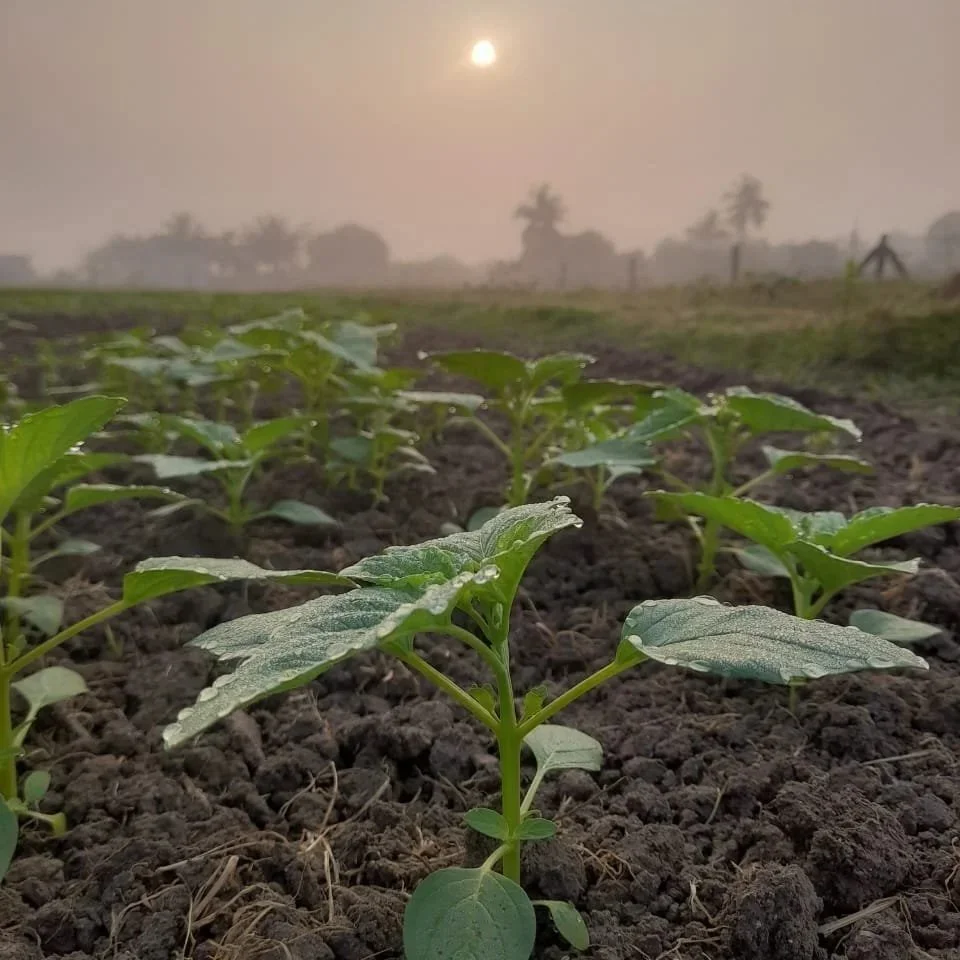
Slowly the inquiry into self-sufficiency led me to a village, to farming, to care for my environment, community, and animals who live around us, and through all that, to the wisdom that I have always been seeking. On this journey, I volunteered with communities in Auroville for a brief while, working on forestation and seed saving projects. Then, I bought a piece of farm land and moved to this village to start organic farming.
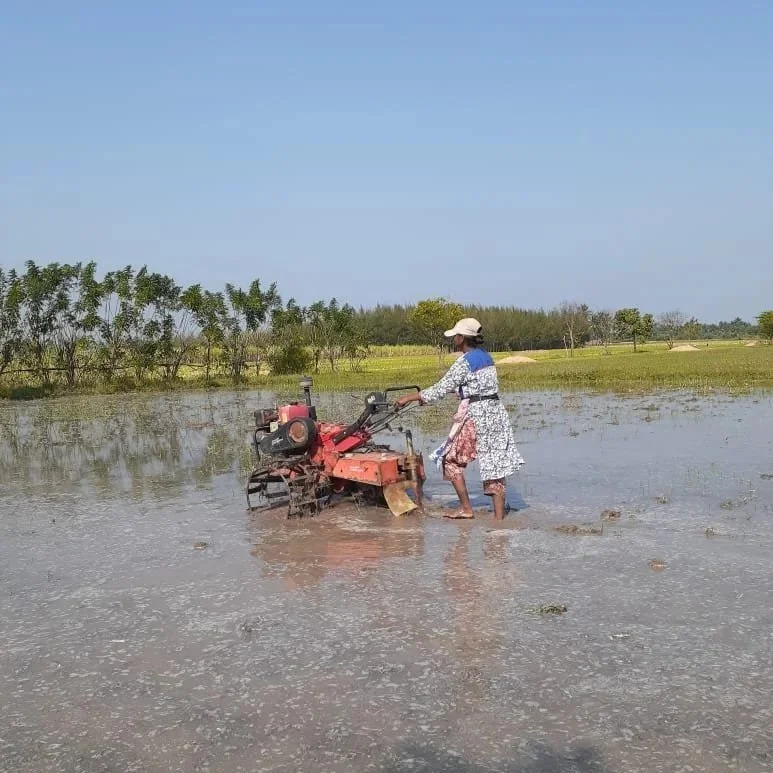
It was particularly important to us not to make a Net loss, and then to try and make a small profit. To do so, we never sold our produce as raw material, we sold the milled end product. We also decided to sell directly to friends and family, rather than on the open market. Producing food that feeds and nourishes 50-100 people feels great and we also get good food for our own consumption. We have grains, pulses and oils of course, but also so many other things including rare greens, fruits that ripen on the tree, all of which are a luxury for city dwellers. We are committed to improving the soil fertility, focusing largely on returning biomass to the land. We are mindful about living, working, and cultivating in harmony with daylight, resource availability, seasons, and weather.
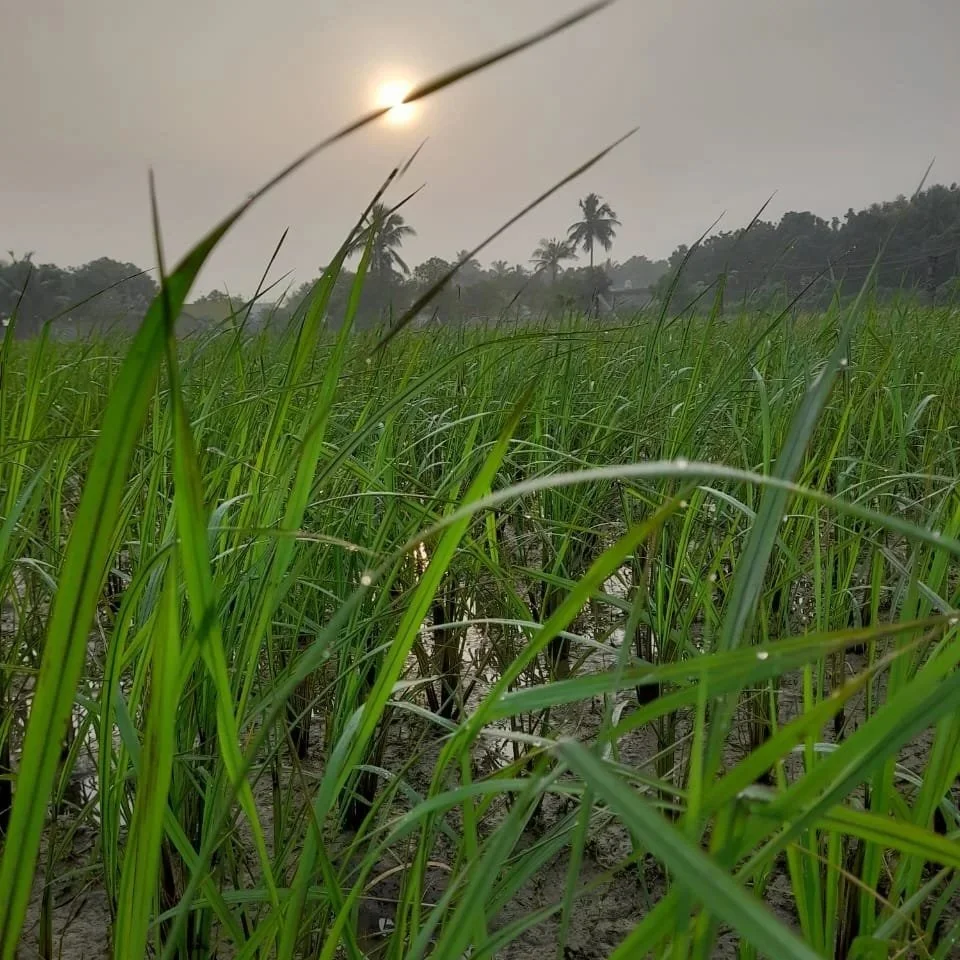
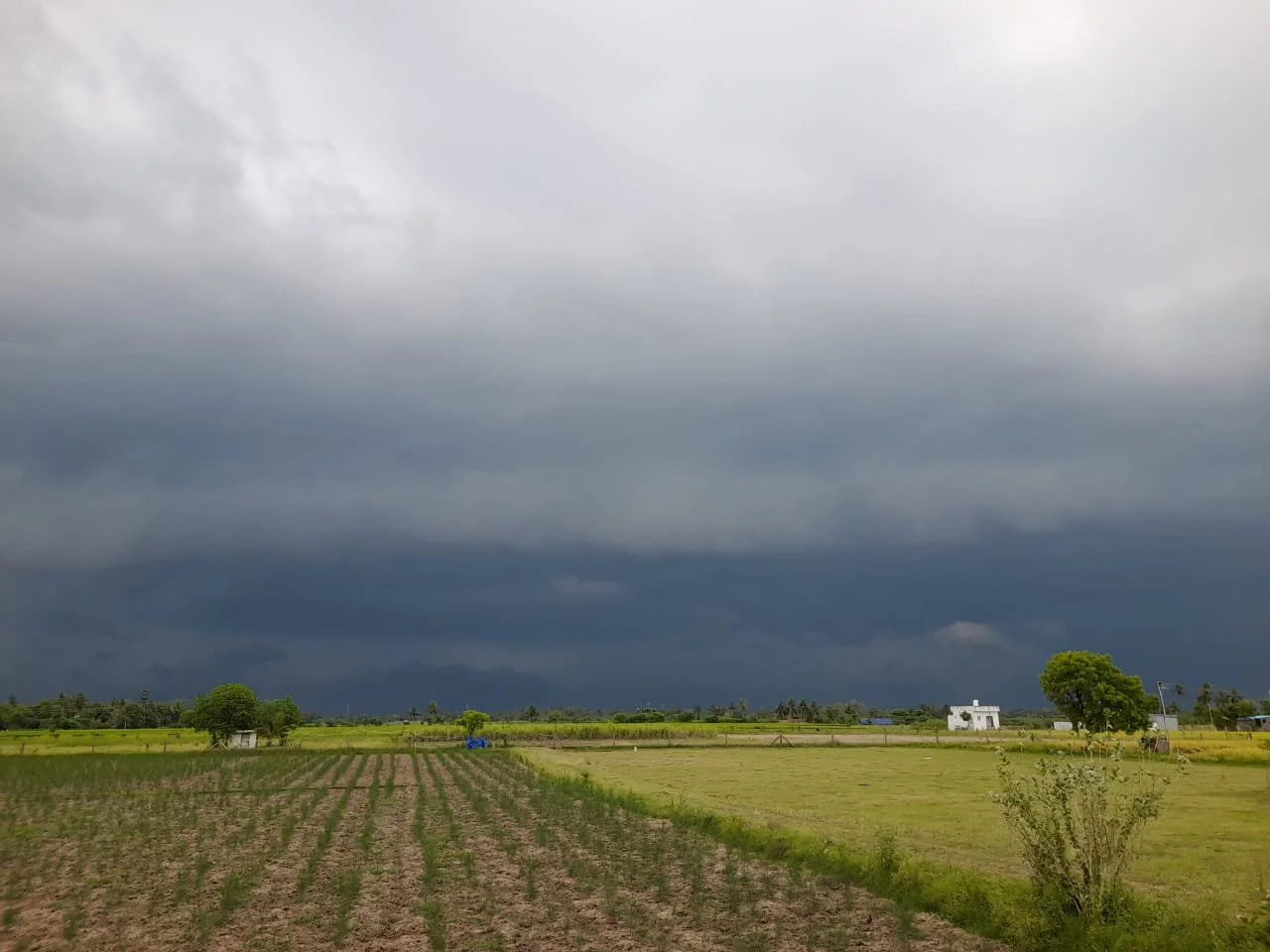
Beyond the cultivation of food, the farm is also a place to be far from the madding crowd, being in nature, doing physical work, working with your hands. Tending to something in itself is a very rewarding experience that can't be valued with money. Sitting and staring at the rain when you know your crops and trees are being watered as you rest, is again, a particularly rewarding feeling.
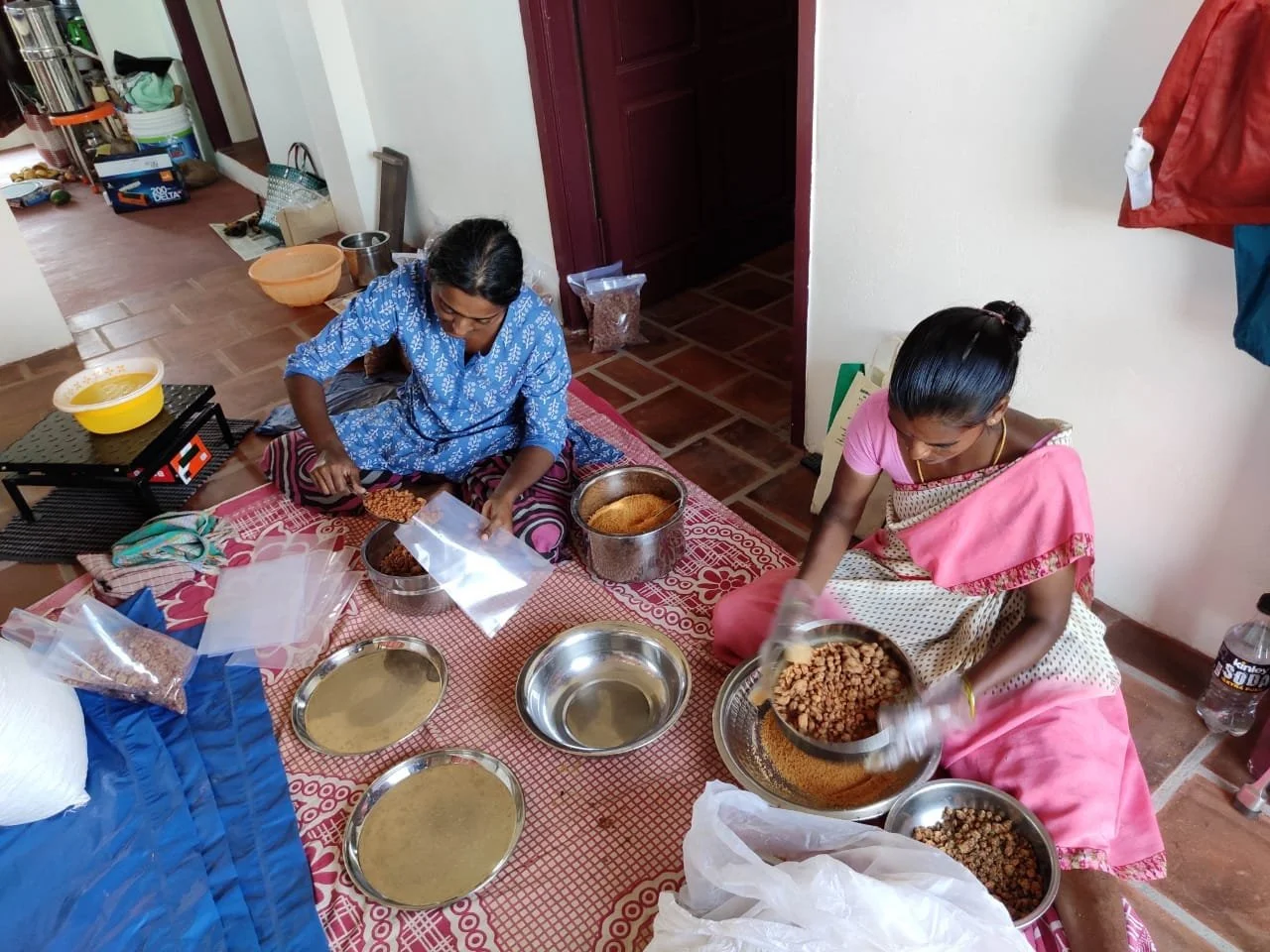
Farming to me is also an extension of cooking. Growing up I noticed that my mother alone had to cook while everyone else would sit and eat. I didn’t like this and I always accompanied her, trying to do my bit. Similarly, farming is a basic work that we need in society but we have left to a select few people who are stuck with the work and its associated hardships. I feel the need to participate in it.
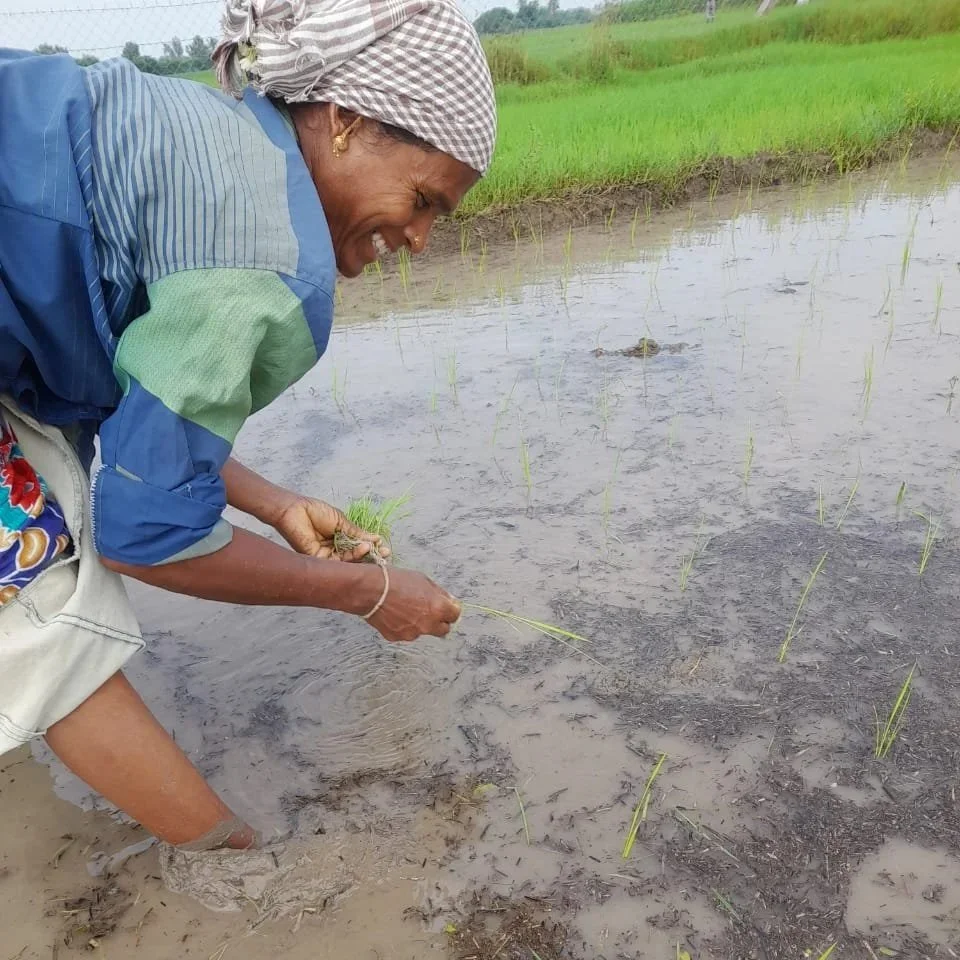
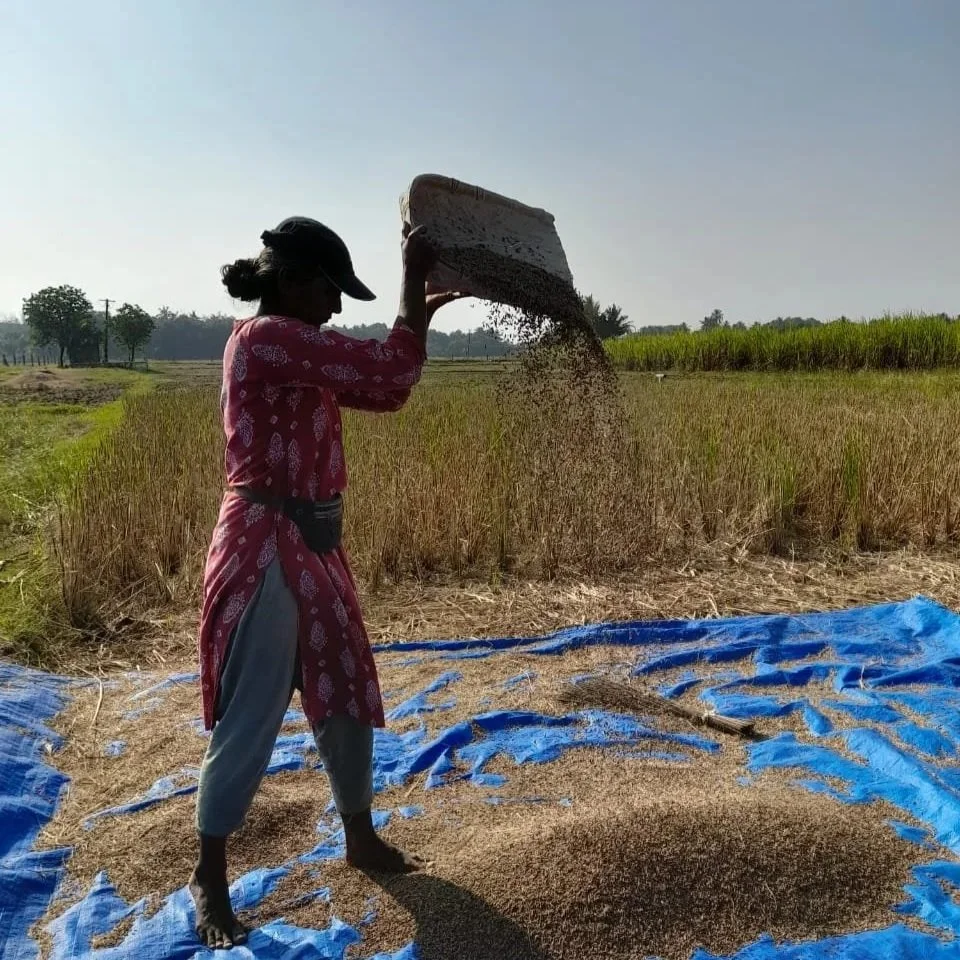
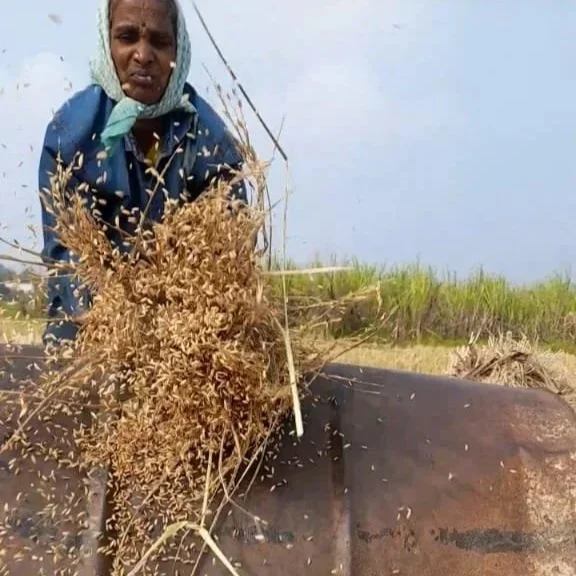
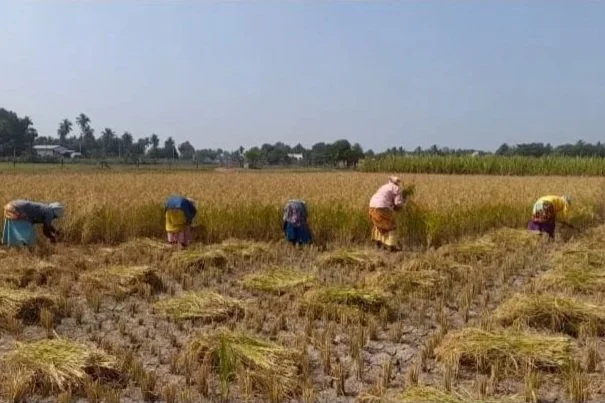
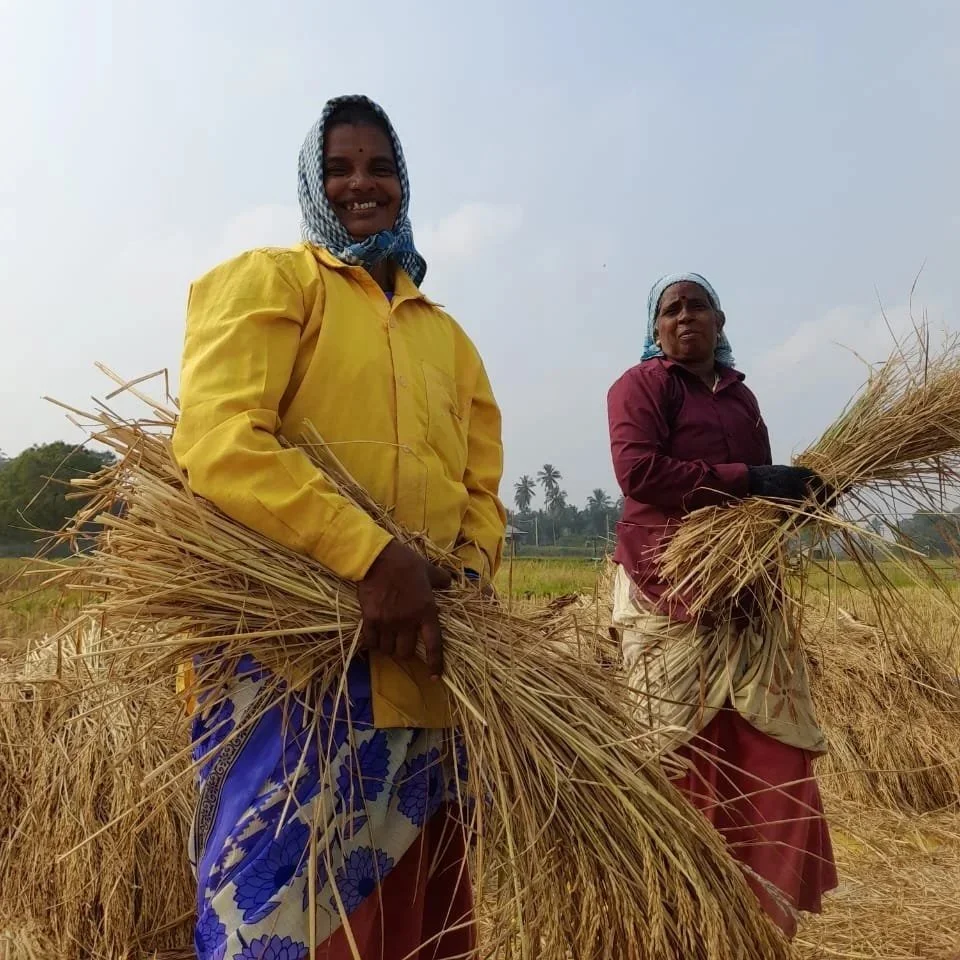
Over a period of 15 years we have grown many varieties of rice, millets, pulses, and oil seeds. We have a fruit orchard and have also taken up some seed keeping work. Kavitha works with me every day on the farm and I try to manage the majority of farm work with her help. I first engaged her as a daily labourer, but slowly she has become my close associate on all farm activities, and over the years she has become like a family member. Together we plan the work, discuss how to do things, and execute the plan. We plan things in such a way that the scale of each crop is manageable for the two of us, and we have work all year long. We also talk about our day, share our stories and perspectives. I often hire more women farm laborers for specific activities that need to be scaled, such as harvesting and transplanting.
The planting cycle of the rice begins with Kavitha and I preparing the nursery bed and raising the nursery. When it is time for transplanting, I hire more workers. Then, we both manage the maintenance, weeding, and roughing of mixes. Again, we hire more workers on harvest days, especially since we harvest and thresh manually in order to maintain seed quality and purity. Once harvest is done, Kavitha and I manage the drying, winnowing, packing, and storage. When the next rice growing season begins, people buy rice seeds from me. Later, I mill the remaining stock, keep the rice I need for my family and sell the remaining rice directly to regular customers.
Cultivation is such a beautiful word. Preparing, nurturing, and fostering growth of the crops and, in the end, of ourselves, is interesting and fulfilling work. But the key point to me is wisdom. As Carl Jung said, “the privilege of a lifetime is to become who you truly are.” Nearing 45, I have turned out to be the person I was looking to meet at 13, 18, 23, and 34. I now have answers to questions I had growing up, and I am able to do the things I would like to see done in the world. I consider all this a great privilege and am really grateful for it.
Thank you for indulging in my story.
If you want to reach out, my name is Sujatha and my mail is: suja_rajeswaran@yahoo.co.in
All text and photographs by Sujatha Rajeswaran.